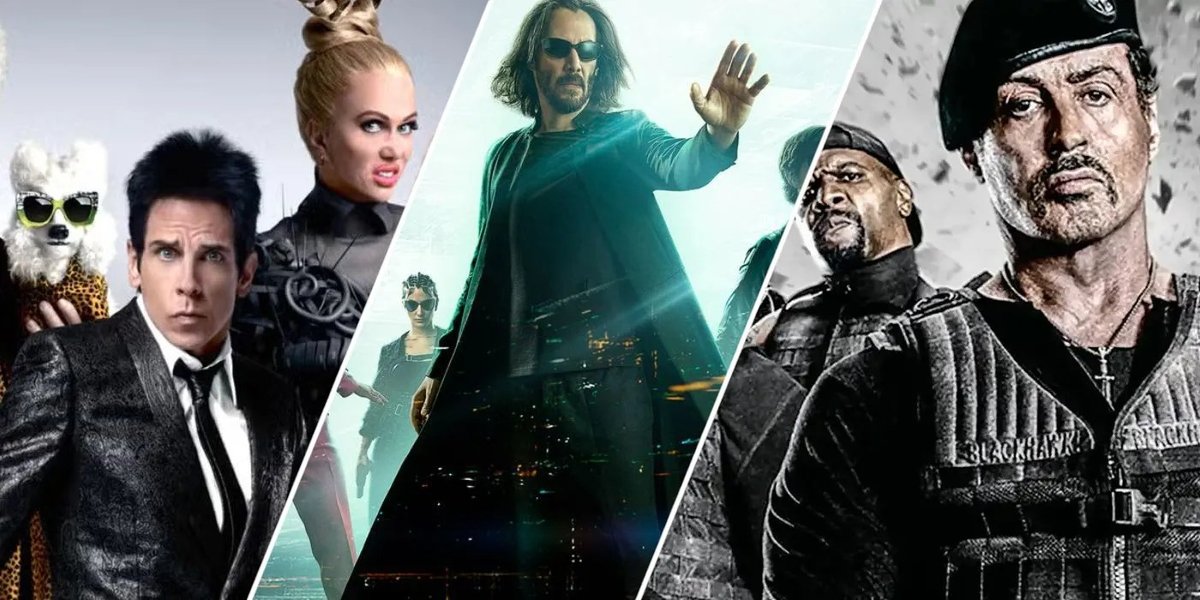
In an entertainment landscape increasingly defined by the familiar, Sequels, Spinoffs & Franchise Continuations don't just exist—they dominate. Turn on any major streaming service or check the latest box office reports, and you’ll quickly see that the biggest hits, the most talked-about series, and the most anticipated blockbusters often spring from existing intellectual property. This isn't just a trend; it's a fundamental shift in how Hollywood operates, driven by economics, audience behavior, and the desire for a guaranteed return on investment.
Just this year, the top twenty highest-grossing films domestically have been almost exclusively "franchise films"—a broad term encompassing sequels, reboots, and continuations of established IPs. Titles like Inside Out 2 and Deadpool & Wolverine each soared past $630 million at the box office, proving that audiences flock to characters and worlds they already know and love. But what does this reliance on the familiar mean for storytelling, creativity, and the future of film and television? Let's dive in.
At a Glance: Why Franchises Rule the Roost
- Financial Security: Existing IPs offer studios a much safer bet in a volatile market, translating to more predictable ticket sales and viewership.
- Audience Appeal: Familiar characters, worlds, and narratives provide comfort, nostalgia, and a shared cultural experience for viewers.
- Expanded Universes: Franchises like the Marvel Cinematic Universe (MCU) have mastered interconnectivity, creating vast, profitable ecosystems across film, TV, and merchandise.
- Streaming's Influence: The demand for constant content on streaming platforms has accelerated the production of spinoffs and continuations to retain subscribers.
- Creative Tension: While offering creators an established sandbox, working within a franchise also presents unique challenges and expectations.
- The Need for Balance: The industry and audiences both play a role in ensuring that original stories don't get lost amidst the abundance of existing properties.
The Unstoppable Rise of the Familiar
Three decades ago, the top 10 highest-grossing domestic films featured perhaps two or three franchise titles. Fast forward to today, and every single film in the top 10 is part of an existing franchise. This dramatic shift isn't accidental. It's a calculated response to evolving market dynamics and audience preferences.
A significant catalyst for this phenomenon has been the unprecedented success of the Marvel Cinematic Universe (MCU). Kicking off in 2008 with Iron Man, the MCU has meticulously built an interconnected web of 34 films, redefining what a cinematic franchise can achieve. With approximately $30 billion in box office revenue alone, plus immense earnings from merchandise and advertising, the MCU became the gold standard, demonstrating the colossal financial power of a well-managed, expansive intellectual property. Suddenly, every studio wanted its own shared universe, its own built-in fanbase, and its own endless stream of sequels and spinoffs.
This accelerated trend also owes much to external pressures. The rise of streaming services has intensified the demand for content, often favoring stories with pre-existing fanbases that can immediately attract and retain subscribers. Coupled with the lasting impact of the 2020 pandemic, which dramatically shifted viewing habits and theatre attendance (ticket sales plummeted from 1.5 billion in 2002 to roughly 750 million in 2024, even as ticket costs doubled), studios became even more risk-averse. In this environment, relying on existing intellectual properties isn't just a preference; it's often viewed as a necessity to guarantee ticket sales and secure profits. This prioritizing of profit over original storytelling has become a defining characteristic of contemporary entertainment.
Defining the Franchise Universe: Sequels, Spinoffs, Revivals, and Reboots
While often lumped together under the "franchise film" umbrella, it's crucial to understand the distinct flavors of continuation that populate our screens. Each serves a different purpose and carries its own set of creative and commercial considerations.
Sequels: The Next Chapter
At its most fundamental, a sequel is a direct continuation of a previous story, usually picking up where the last one left off or exploring events immediately following it. Think of the Toy Story films or Mission: Impossible entries—they build on established characters and narratives, advancing the story incrementally. They are the most straightforward form of franchise continuation, banking on audience investment in the original story.
Spinoffs: Expanding the Horizon
A spinoff takes characters or settings from an original series but creates an entirely new show or film, often with a different focus, tone, or theme. It’s like branching off a well-worn path to explore an intriguing side trail.
- The Classic Example: Frasier, a brilliant sitcom in its own right, is a prime example of a successful television spinoff, taking the beloved character of Frasier Crane from Cheers and placing him in a new city with a fresh supporting cast and distinct comedic challenges.
- Backdoor Pilots: Sometimes, a studio will test the waters for a spinoff using a "backdoor pilot." This is an episode of an existing series designed to introduce a character who will anchor a new show. Avery Ryan, introduced in CSI: Crime Scene Investigation before leading CSI: Cyber, is a perfect illustration.
- Record Breakers: Spinoffs can achieve incredible longevity. Law & Order: Special Victims Unit (1999–present), a spinoff of the original Law & Order, is the longest-running spinoff in American TV history. Its 25th season, which premiered in January 2024, further solidifies its enduring appeal.
Revivals: Waking the Sleeping Giant
Revivals bring back an existing series, usually with original cast members, picking up the story years or even decades later while maintaining established continuity. It's about revisiting a beloved world and its inhabitants, often with a fresh perspective on their later lives. The 2005 series of Doctor Who is a classic example, explicitly acknowledging and continuing the lore of the original 1963-1989 run, though with a new Doctor.
Reboots: A Fresh Start
A reboot is a complete restart, making little to no attempt to retain the continuity or casting of previous iterations. It's about taking the core concept or characters and telling a new story from scratch.
- The Battlestar Galactica Saga: The 2004 Battlestar Galactica series, for instance, completely reimagined the 1978 original, retaining only core themes and character names while crafting a vastly different, darker narrative.
- Tale as Old as Time, Remixed: Similarly, the CW's 2012 Beauty & the Beast series bore little resemblance to its 1987 predecessor beyond the titular characters and basic premise.
It’s worth noting what doesn't qualify as a spinoff: a television pilot that was written but never shot, or a show that simply undergoes a name change, doesn't meet the criteria. The key is a clear, distinct new narrative branching off from an established source.
The Business Imperative: Why Studios Double Down on IP
The reasons for this deep dive into existing intellectual property are multifaceted, but they boil down to a simple truth: it’s about mitigating risk in an increasingly competitive and expensive entertainment landscape. You can learn more about these financial drivers and the latest film industry trends that influence studio decisions.
In an era where the average blockbuster costs hundreds of millions to produce and market, a pre-existing fanbase acts as a powerful safety net. When audiences already know and love a brand, they are more likely to buy tickets, subscribe to a service, or purchase merchandise. This translates to a more predictable revenue stream compared to launching an entirely original story, which, no matter how brilliant, always carries the risk of failing to find an audience.
As mentioned, the shift in consumption habits, accelerated by streaming and the pandemic, has fundamentally altered the economic model of entertainment. With theatrical ticket sales dwindling and overall engagement fragmented across countless platforms, studios are desperate for content that guarantees eyeballs. Franchises provide this assurance. While many high-grossing franchise films might receive only moderate critical scores—a common complaint from critics and some audiences—their financial success is undeniable, reinforcing the studios' strategy.
Furthermore, the value of intellectual property extends far beyond the screen. A successful franchise generates massive revenue from merchandise, video games, theme park attractions, and advertising partnerships. The MCU's $30 billion box office take, for instance, is just one facet of its overall financial empire. This comprehensive monetization strategy makes investing in the true value of intellectual property an incredibly attractive proposition for large media conglomerates.
Navigating the Franchise Landscape: A Creator's Perspective
For writers, directors, and actors, stepping into an existing franchise can be both a golden opportunity and a creative minefield.
The Upsides for Creators:
- Built-in Audience: Unlike original projects, a franchise entry comes with a ready-made fanbase eager to see more. This can provide a huge platform for a creator's work.
- Established World-Building: Much of the heavy lifting—defining characters, lore, and setting—is already done. Creators can focus on refining plot and character arcs within a rich, pre-existing universe.
- Lower Risk, Higher Budget: With reduced financial risk for the studio, franchise projects often command larger budgets, allowing for grander visions and production values.
The Downsides for Creators:
- Creative Constraints: Fan expectations, established canon, and studio mandates can severely limit creative freedom. Deviating too much from beloved elements can lead to backlash.
- Audience Expectations: The pressure to live up to previous iterations, or to satisfy diverse fan theories, can be immense.
- Typecasting and Burnout: Actors can become synonymous with their franchise roles, and creators might feel trapped by the demands of a long-running series.
Crafting a Successful Continuation:
The best franchise entries strike a delicate balance. They respect the source material and the emotional connection audiences have to it, while simultaneously finding a fresh angle. This might mean:
- Evolving Characters: Allowing beloved characters to grow, face new challenges, and even make mistakes.
- Exploring Untapped Lore: Delving into unexplored corners of the established world or introducing new characters who expand the universe.
- A Fresh Voice: Bringing in new creative talent who can offer a unique perspective without fundamentally altering the core identity of the franchise.
- Understanding the "Why": A successful continuation needs a compelling reason to exist beyond simply making more money. What new story is being told? What themes are being explored?
The Audience's Role: Finding Balance in a Franchise-Dominated World
As consumers of entertainment, we play a significant role in shaping the industry. Our choices at the box office, on streaming platforms, and in our online discussions send powerful signals to studios. Understanding these effective audience engagement tactics can truly make a difference.
The Appeal: Why We Love the Familiar
- Nostalgia: Revisiting beloved characters and worlds from our youth provides a comforting, often powerful, nostalgic experience.
- Shared Experience: Franchises create cultural touchstones. Discussing the latest MCU movie or Star Wars series fosters connection and community.
- Comfort and Reliability: In an unpredictable world, familiar stories offer a sense of security and a known quantity—you generally know what you're going to get.
The Downside: What We Lose
- Stifled Originality: When studios constantly chase proven formulas, genuinely new and innovative stories struggle to get greenlit. This can lead to a homogenization of content.
- Formulaic Storytelling: The pressure to adhere to established successful patterns can result in predictable plots, recycled tropes, and a lack of creative daring.
- Franchise Fatigue: Even the most ardent fans can grow weary of endless continuations if they feel uninspired or redundant.
How to Support Original Stories:
To achieve balance in the film and television industry, audiences should actively support original stories simultaneously with their enjoyment of franchises.
- Seek Out the New: Don't just wait for the next big franchise entry. Actively look for independent films, new series, and projects from emerging creators.
- Vote with Your Wallet: Prioritize buying tickets or streaming original content. Every view, every dollar, sends a message.
- Engage and Advocate: Talk about original works you love on social media. Leave positive reviews. Your enthusiasm can help new stories find their audience.
Beyond the Screen: The Broader Impact of Franchise Culture
The influence of franchises extends far beyond the theatrical release or episodic drop. It permeates pop culture, influencing merchandising, publishing, and even physical spaces. Theme parks around the globe, for instance, are increasingly investing in elaborate attractions based on popular movie and TV franchises, demonstrating the immersive power of these worlds.
This culture also impacts talent development. While franchises provide opportunities for established stars, the consistent reliance on known IP can mean fewer opportunities for untested original voices or fresh faces to break into the mainstream with their own stories. The focus on guaranteed returns can create a conservative environment where taking chances on unknown quantities becomes even rarer. This is why understanding streaming service strategies for content acquisition often reveals a mix of established IP and strategic original programming.
Common Questions About Franchise Film & TV
Are all high-grossing films franchise films?
While almost all of the top twenty highest-grossing films domestically each year fall into the "franchise film" category, it's not strictly "all." There are rare original films that break through, but they are increasingly the exception rather than the rule in the blockbuster space.
Does the Marvel Cinematic Universe (MCU) hold a unique record?
Yes, the MCU, with its 34 interconnected films and approximately $30 billion in box office revenue, is the highest-grossing franchise in film history. Its innovative approach to shared storytelling created a new blueprint for franchise expansion.
Is the dominance of sequels and spinoffs good for the entertainment industry?
It's a mixed bag. On one hand, it provides financial stability for studios, allowing for massive budgets and ambitious projects that might not otherwise see the light of day. It also creates a shared cultural experience for audiences. On the other hand, it can stifle creative originality, lead to formulaic storytelling, and make it harder for truly new ideas to gain traction. The industry thrives best with a healthy balance of both.
Looking Forward: Sustaining Creativity Amidst Familiarity
The landscape of film and television is undeniably shaped by Sequels, Spinoffs & Franchise Continuations. This isn't a phenomenon that will disappear anytime soon. The financial incentives are too strong, and audience demand for beloved characters and worlds is too powerful. However, the long-term health of the entertainment industry, and indeed our culture, hinges on achieving a sustainable balance.
The challenge for studios is to innovate within the confines of existing IP, to find fresh perspectives that justify each new installment, rather than simply churning out content for content's sake. For audiences, the call to action is clear: continue to enjoy the comfort and excitement of your favorite franchises, but actively seek out and champion original stories, too. Your choices have power. By supporting new ideas and perspectives, you help foster an environment where creativity can flourish alongside commercial success.
To delve deeper into how cultural shifts impact storytelling and audience engagement, you might want to Explore Ever Afterwards. The narrative of entertainment is always evolving, and our role in shaping it is more critical than ever.